


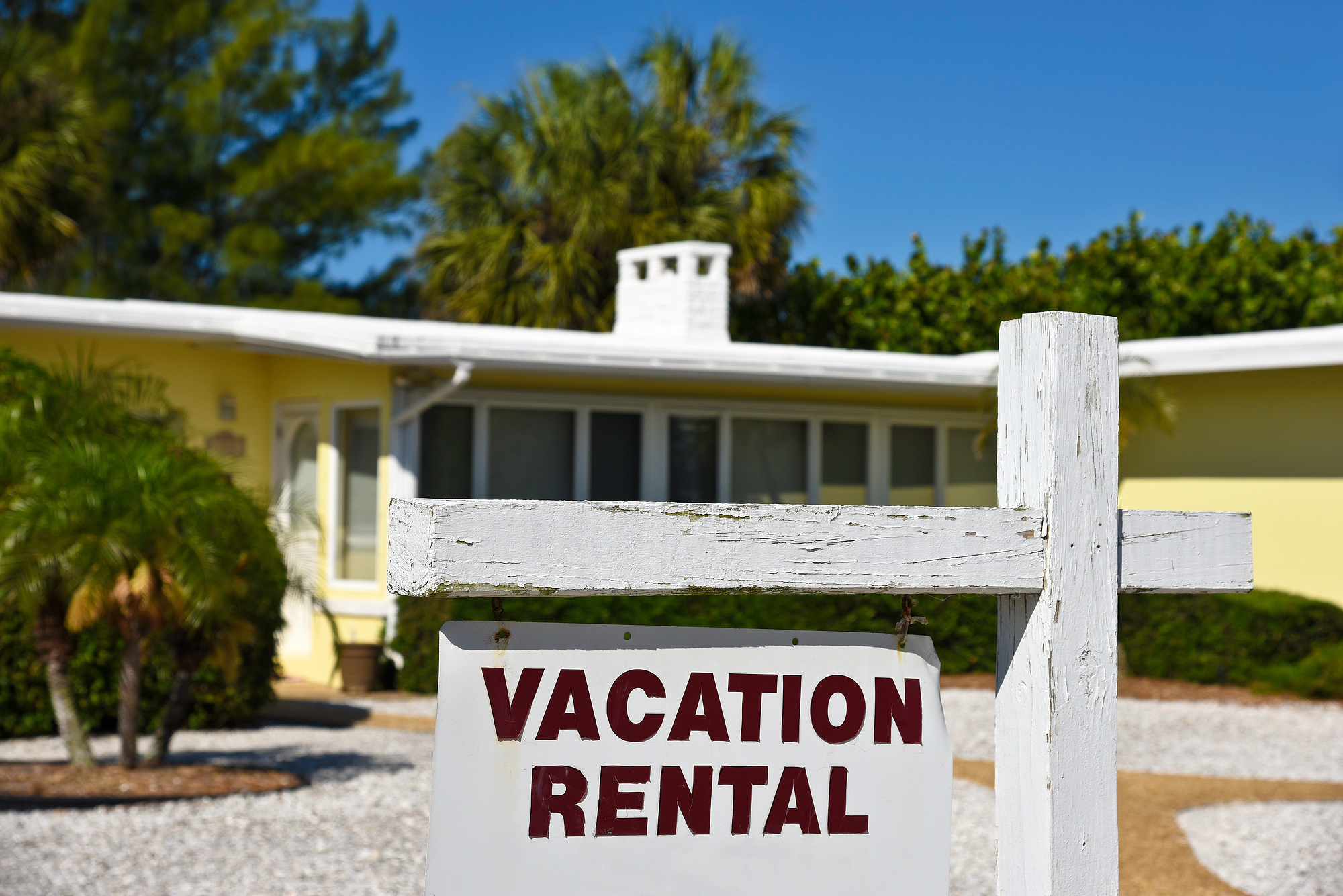
When you’re not using your vacation home, renting it out can generate extra income. But it can also affect your taxes, depending on how often you rent and use the property personally.
The 14-Day Rule
In some situations, renting out a vacation home can generate tax-free rental income. If it’s rented for 14 or fewer days during the year, the rental income typically doesn’t need to be reported on your tax return.
However, deductions are limited. You may generally deduct property taxes and qualified mortgage interest if you itemize deductions, but you can’t deduct operating expenses or depreciation. The property tax deduction is subject to the state and local tax deduction cap, and mortgage interest is deductible on your principal residence and one other home, subject to certain limits.
More Than 14 Days
If your vacation home is rented for more than 14 days during the year, the rental income generally must be reported as taxable income. But you can deduct a portion of operating expenses and depreciation, subject to certain rules.
Expenses must be allocated between personal and rental use. For example, if the home is rented for 90 days and used personally for 30 days, 75% of the total use is rental use (90 out of 120 total days).
In that case, you can allocate 75% of your costs, such as maintenance, utilities and insurance, plus 75% of your depreciation allowance, interest and property taxes to the rental activity. The personal-use portion of property taxes is separately deductible as an itemized deduction. The personal-use portion of interest on a second home may also be deductible, but only if personal use exceeds the greater of 14 days or 10% of the rental days and the home mortgage interest deduction rules are met. Depreciation on the personal-use portion isn’t allowed.
Can You Claim a Loss?
If deductible expenses for your vacation home exceed rental income, you may be able to claim a rental loss. Here’s the test: If personal use exceeds the greater of 14 days or 10% of rental days, the property is generally treated as a personal residence. In that case, deductions attributable to rental use generally can’t create a loss. Instead, they’re limited to rental income, and unused deductions may be carried forward to future years.
If the property isn’t considered a personal residence based on your personal use, you must still allocate expenses between personal and rental use. But the home will be considered a rental property and, if your rental deductions exceed rental income, you can potentially claim the loss. However, the loss is generally considered passive and may be limited under the passive activity loss rules.
Moving Forward
Vacation home tax rules can be complex. Additional rules may apply if you qualify as a real estate professional or if you own multiple rental properties. Contact the Lahrmer office at (216) 393-1954 or office@lahrmercpa.com if you have questions.