


 Can you point your company in the direction of financial success, step on the gas, and then sit back and wait to arrive at your destination?
Tag: accountant
 Congress finally took action in late December and passed a tax extender bill formally known as the Protecting Americans from Tax Hikes Act of 2015 (PATH), which was then signed into law. Retroactive to January 1, 2015, many tax provisions were made permanent while others were extended through 2016 or 2019. Let’s take a look at some of the tax provisions most likely to affect taxpayers when filing their 2015 tax returns.
 Today’s blog post for Lahrmer and Company, LLC is provided by our friends at Gateway Financial:
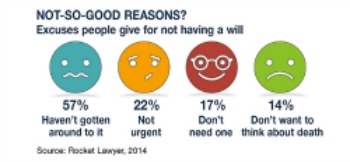
Having a Last Will and Testament can help ensure that your estate is distributed according to your wishes. Yet almost two out of three Americans have not taken this important step.
 The myRA program, which launched nationwide in November, is intended for taxpayers with taxable income who lack access to retirement savings plan at work.
 The Internal Revenue Service has announced cost of living adjustments affecting dollar limitations for pension plans and other retirement-related items for tax year 2016.

Eligible employees should begin planning now to take full advantage of their employer’s health flexible spending arrangement (FSA) during 2016.
 If you’re thinking about making charitable contributions during the holiday season this year and want to claim a tax deduction for your gifts, you must itemize your deductions. This is just one of several tax rules that you should know about before you give. Here’s what else you need to know:
 While the fate of several business-related tax extenders such as Research & Development tax credits, bonus depreciation, and Section 179 expensing that expired at the end of 2014 is uncertain, there are still a number of end of year tax planning strategies businesses can use to reduce their tax burden for 2015.
Categories
Going Solo?
 Today’s blog post for Lahrmer and Company, LLC is provided by Todd Pouliot at Gateway Financial:
It’s estimated that more than 53 million Americans are now part of the nation’s growing freelance workforce; this figure includes small-business owners, contract workers, consultants, and others who work on a project basis. Self-employed workers may enjoy the flexibility and control, but without help from an employer they often must take extra steps to strengthen their financial positions.
 The healthcare law contains tax provisions that affect employers. The size and structure of a workforce–small or large–helps determine which parts of the law apply to which employers. Calculating the number of employees is especially important for employers that have close to 50 employees or whose workforce fluctuates during the year.