


 Looking to save money on your taxes this year? It’s never too early to start planning ahead using these proven tax planning strategies.
Author: Chad Lahrmer CPA
 Filing a past due return may not be as difficult as you think. Taxpayers should file all tax returns that are due, regardless of whether full payment can be made with the return. Depending on an individual’s circumstances, a taxpayer filing late may qualify for a payment plan. It is important, however, to know that full payment of taxes upfront saves you money.
Categories
What Income is Taxable?
 Are you wondering if there’s a hard and fast rule about what income is taxable and what income is not taxable? The quick answer is that all income is taxable unless the law specifically excludes it. But as you might have guessed, there’s more to it than that.

Did you know that it’s possible to trim your tax bill and save on your energy bills with certain home improvements? Here are some key facts you should know about home energy tax credits:
Categories
Estimated Tax Payments: Q & A
Estimated tax is the method used to pay tax on income that is not subject to withholding. This includes income from self-employment, interest, dividends, alimony, rent, gains from the sale of assets, prizes and awards. You also may have to pay estimated tax if the amount of income tax being withheld from your salary, pension, or other income is not enough. If you do not pay enough by the due date of each payment period you may be charged a penalty even if you are due a refund when you file your tax return.
 Are you one of the millions of Americans who hasn’t filed (or even started) your taxes yet? With the April 18 tax filing deadline quickly approaching, here is some last minute tax advice for you.
 Confused about which credits and deductions you can claim on your 2015 tax return? You’re not alone. Here are six tax breaks that you won’t want to overlook.

The individual shared responsibility provision requires that you and each member of your family have qualifying health insurance, a health coverage exemption, or make a payment for any months without coverage or an exemption when you file. If you, your spouse and dependents had health insurance coverage all year, you will indicate this by simply checking a box on your tax return.
Categories
Who Should File a 2015 Tax Return?

Most people file a tax return because they have to, but even if you don’t, there are times when you should because you might be eligible for a tax refund and not know it. This year, there are a few new rules for taxpayers who must file. The six tax tips below should help you determine whether you’re one of them.
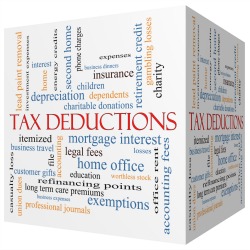
Most people can claim an exemption on their tax return. It can lower your taxable income, which in most cases, that reduces the amount of tax you owe for the year. Here are eight tax facts about exemptions to help you file your tax return.