The One, Big, Beautiful Bill Act (OBBBA) brings a wide range of tax changes, with several key updates designed to support families. Among the many provisions, here are three with the potential to lower your tax bill.
1. Boosted Child Tax Credit with a New Rule
Beginning in 2025, the Child Tax Credit (CTC) increases to $2,200 per qualifying child under age 17 (up from $2,000). It will be adjusted annually for inflation starting in 2026. The refundable portion (the part you can receive even if you owe no tax) is locked in at $1,700 for 2025 and will also adjust for inflation moving forward.
The modified adjusted gross income (MAGI) thresholds for the phaseout of the CTC remain unchanged and permanent at:
Beginning in 2025, you must include valid Social Security numbers (SSNs) for both the child and the taxpayer claiming the credit. For joint filers, at least one spouse must have a SSN to qualify.
2. The $500 Credit for Other Dependents Lives On
Previously set to expire after 2025, the $500 Credit for Other Dependents (COD) is now permanent. The nonrefundable COD applies to dependents who don’t qualify for the child tax credit, such as college-aged children or elderly parents. The dependent must be a U.S. citizen, national or resident alien and must have a valid Social Security number or Individual Taxpayer Identification number.
The income-based phaseouts are the same as those for the CTC.
3. Adoption Credit Gets a Refundable Benefit
For 2025, the maximum credit is $17,280 per adoption. But the credit phases out at higher MAGI levels than the CTC and COD:
- Begins phasing out at $259,190
- Fully phases out at $299,190
These amounts apply to all filing statuses.
Under the OBBBA, up to $5,000 of the credit is now refundable, offering more immediate financial help to some adoptive parents. The nonrefundable portion can be carried forward; the refundable portion cannot.
Your tax advisor can offer more information about the tax side of adoption.
The Bottom Line
Family-focused tax provisions in the OBBBA could make a meaningful difference on your return, but the details matter. From child and dependent credits to adoption benefits, eligibility and income thresholds can quickly complicate planning. If you’re wondering how these updates apply to your family, contact the Lahrmer office at (216) 393-1954 or office@lahrmercpa.com for guidance tailored to your situation.




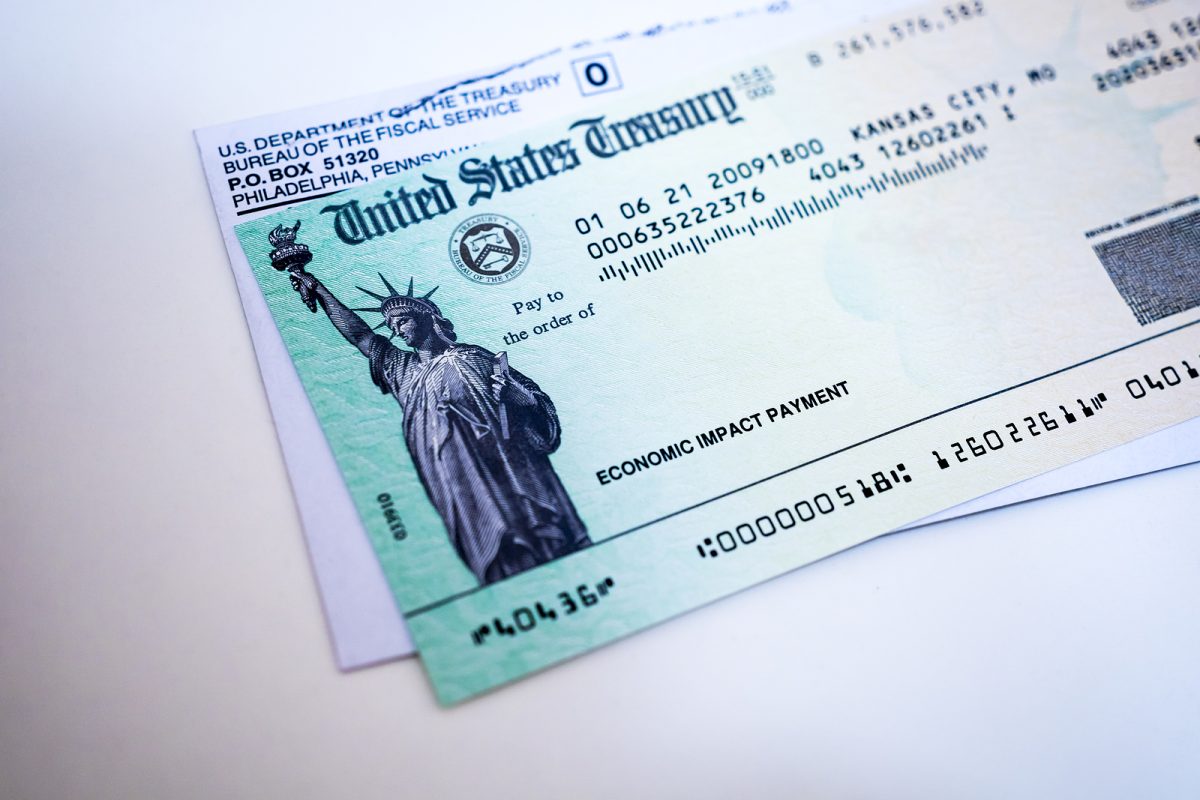
 On March 12, following the American Rescue Plan Act’s approval and signing, the IRS began sending out the third round of Economic Impact Payments. Most payments were sent out via direct deposit, but approximately 150,000 checks were mailed by the Treasury Department as well. Taxpayers who received EIP1 or EIP2 but didn’t receive a third payment (EIP3) via direct deposit will generally receive a check or, in some instances, a prepaid debit card (EIP Card).

 Signed into law on March 11, 2021, the American Rescue Plan Act (ARPA) contains several tax provisions affecting individuals and families. Let’s take a look:

 If you have children, one or more of these tax credits and deductions could help your family reduce the amount of tax owed when you file your 2020 tax return. Let’s take a look:
 If you have children, you may be able to reduce your tax bill using these tax credits and deductions.
 Many of the tax changes affecting individuals and businesses for 2017 were related to the Protecting Americans from Tax Hikes Act of 2015 (PATH) that modified or made permanent numerous tax breaks (the so-called “tax extenders”). To further complicate matters, some provisions were only extended through 2016 and are set to expire at the end of this year while others were extended through 2019. With that in mind, here’s what individuals and families need to know about tax provisions for 2017.
 It’s important to use the right filing status when you file your tax return because the filing status you choose can affect the amount of tax you owe for the year. It may even determine if you must file a tax return. Keep in mind that your marital status on December 31 is your status for the whole year. Sometimes more than one filing status may apply to you. If that happens, choose the one that allows you to pay the least amount of tax.
 Confused about which credits and deductions you can claim on your 2016 tax return? You’re not alone. Here are six tax breaks that you won’t want to overlook.
 Day camps are common during school vacations and the summer months. Many parents enroll their children in a day camp or pay for day care so they can work or look for work. If this applies to you, your costs may qualify for a federal tax credit. Here are 10 things to know about the Child and