


 Whether you’ve invested in Bitcoin and sold it at a profit or loss or received it for services performed, you’ll need to report it on your tax return. Here’s what you should know.

 Northfield, OH Accounting Firm | Lahrmer & Company LLC
Whether you’ve invested in Bitcoin and sold it at a profit or loss or received it for services performed, you’ll need to report it on your tax return. Here’s what you should know.

 The federal tax deadline is quickly approaching. If you owe money to the IRS – including estimated and other business taxes – here are six options for quick and easy electronic payments:

 With the onset of the coronavirus pandemic, crowdfunding websites such as Kickstarter and GoFundMe have become an increasingly popular way for small business owners to stay afloat. The upside is that it’s often possible to raise the cash you need; the downside is that the IRS considers that money taxable income. Let’s take a closer look at how crowdfunding works and how it could affect your tax situation.

 As a reminder, taxpayers now have until July 15, 2020, to file and pay federal income taxes originally due on April 15 and no late-filing penalty, late-payment penalty or interest will be due. Due to the coronavirus pandemic, this relief has been expanded to include additional returns, tax payments and other actions:
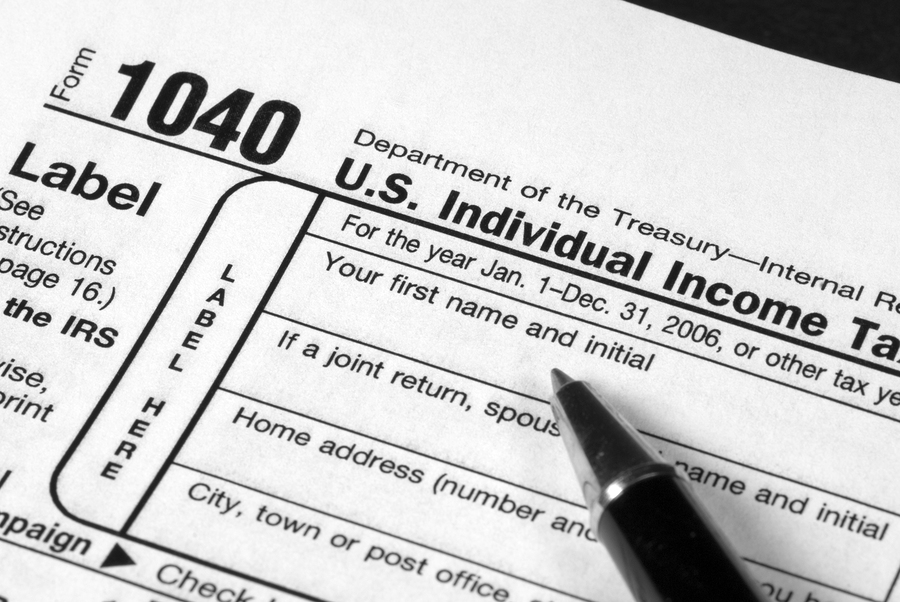
 If you are ready to file your taxes but are missing important tax forms here’s what you should do:

 January 27, 2020 marked the start of this year’s tax filing season. Complicating matters is a newly revised Form 1040, U.S. Individual Income Tax Return. With more than 150 million individual tax returns expected to be filed for the 2019 tax year, here’s what individual taxpayers can expect:

 While the 2020 tax filing season promises to be less confusing than 2019, there are still a number of changes that taxpayers should be aware of.

 If you’ve invested in Bitcoin and decide to sell, you need to consider the impact of virtual currency transactions on your taxes. Here’s what you should know:

 Many people assume tax planning is the same as tax preparation but the two are actually quite different. Let’s take a closer look:

 Of all the retirement plans available to small business owners, the SIMPLE IRA plan (Savings Incentive Match PLan for Employees) is the easiest to set up and the least expensive to manage. The catch is that you’ll need to set it up by October 1st. Here’s what you need to know.