


 Taxpayers who relinquish citizenship without complying with their U.S. tax obligations are subject to the significant tax consequences of the U.S. expatriation tax regime. If you’re an expat who has relinquished–or intends to relinquish–your U.S. citizenship but still has U.S. tax filing obligations (including owing back taxes), you’ll be relieved to know there are IRS procedures in place that allow you to come into compliance and receive relief for any back taxes owed. Let’s take a look:


 One of the most important questions you face when changing job is what to do with the money in your 401(k) because making the wrong move could cost you thousands of dollars or more in taxes and lower returns.

 Many businesses hire part-time or full-time workers, especially in the summer. The IRS classifies these employees as seasonal workers, defined as an employee who performs labor or services on a seasonal basis (i.e., six months or less). Examples of this kind of work include retail workers employed exclusively during holiday seasons, sports events, or during the harvest or commercial fishing season. Part-time and seasonal employees are subject to the same tax withholding rules that apply to other employees.

 Earlier is better when it comes to working on your taxes, but many people find preparing their tax return to be stressful and frustrating and wait until the last minute. Complicating matters this year is tax reform and the newly-redesigned Form 1040. If you’ve been procrastinating on filing your tax return this year, here are eight tips that might help.
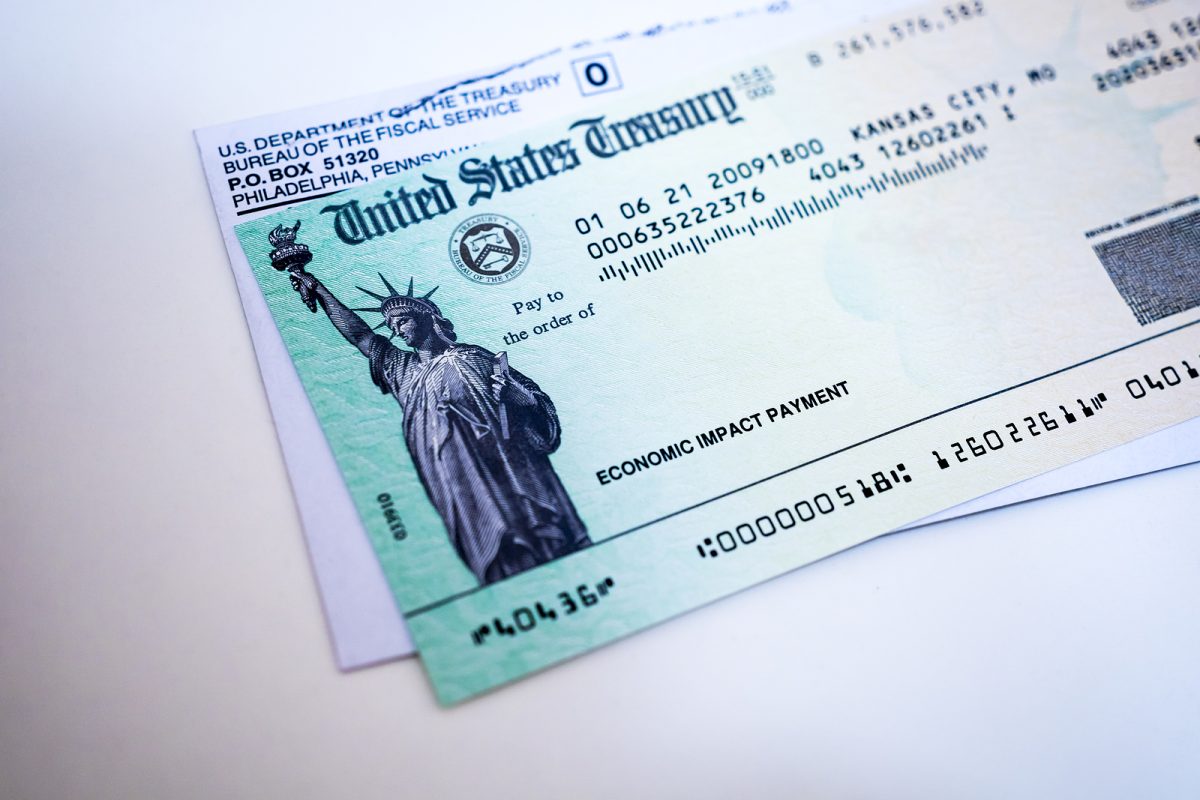
 On March 12, following the American Rescue Plan Act’s approval and signing, the IRS began sending out the third round of Economic Impact Payments. Most payments were sent out via direct deposit, but approximately 150,000 checks were mailed by the Treasury Department as well. Taxpayers who received EIP1 or EIP2 but didn’t receive a third payment (EIP3) via direct deposit will generally receive a check or, in some instances, a prepaid debit card (EIP Card).

 The federal income tax filing due date for individual taxpayers, including individuals who pay self-employment tax, has been extended to Monday, May 17, 2021, for the 2020 tax year. There is no need to file any forms to qualify for this automatic federal tax filing and payment relief.

 In general, income from renting a vacation home for 15 days or longer must be reported on your tax return on Schedule E, Supplemental Income and Loss. You should also keep in mind that the definition of a “vacation home” is not limited to a house. Apartments, condominiums, mobile homes, and boats are also considered vacation homes in the eyes of the IRS. Tax rules on rental income from second homes can be confusing, especially if you rent the home out for several months of the year and use the home yourself.

 Although just 0.15 percent of taxpayers were audited in 2019, the fear of being audited is never far from many taxpayer’s minds, and with the taxes becoming more complicated every year, there’s an even greater possibility of confusion turning into a tax mistake… and an IRS audit. Avoiding “red flags” like the ones listed below, however, could help you avoid one.

 Although tax season usually starts in late January, this year, the tax filing season is delayed until February 12, 2021. The delayed start date for individual tax return filers allowed the IRS time to do additional programming and testing of IRS systems following the December 27, 2020 tax law changes that provided a second round of Economic Impact Payments and other benefits to many taxpayers. This programming work is critical to ensuring IRS systems run smoothly to minimize refund delays and ensure that eligible people will receive any remaining stimulus money as a Recovery Rebate Credit when they file their 2020 tax return.

 Starting in January 2021, the IRS Identity Protection PIN Opt-In Program will be expanded to all taxpayers who can properly verify their identity. Previously, IP PINs were only available to identity theft victims.