




Creditors keep their evaluation standards secret, making it difficult to know just how to improve your credit rating. Nonetheless, it is still important to understand the factors that determine creditworthiness. Periodically reviewing your credit report can also help you protect your credit rating from fraud – and you from identity theft.

 Although tax season usually starts in late January, this year, the tax filing season is delayed until February 12, 2021. The delayed start date for individual tax return filers allowed the IRS time to do additional programming and testing of IRS systems following the December 27, 2020 tax law changes that provided a second round of Economic Impact Payments and other benefits to many taxpayers. This programming work is critical to ensuring IRS systems run smoothly to minimize refund delays and ensure that eligible people will receive any remaining stimulus money as a Recovery Rebate Credit when they file their 2020 tax return.

 Creditors keep their evaluation standards secret, making it difficult to know just how to improve your credit rating. Nonetheless, it is still important to understand the factors that determine creditworthiness. Periodically reviewing your credit report can also help you protect your credit rating from fraud–and you from identity theft.

 Starting in January 2021, the IRS Identity Protection PIN Opt-In Program will be expanded to all taxpayers who can properly verify their identity. Previously, IP PINs were only available to identity theft victims.

 Creditors keep their evaluation standards secret, making it difficult to know just how to improve your credit rating. Nonetheless, it is still important to understand the factors that determine creditworthiness. Periodically reviewing your credit report can also help you protect your credit rating from fraud–and you from identity theft.

 An IRS CP2000 notice is mailed to a taxpayer when income reported from third-party sources such as an employer, bank, or mortgage company does not match the income reported on the tax return.

 As a reminder, individuals with “seriously delinquent tax debts” are subject to a new set of provisions courtesy of the Fixing America’s Surface Transportation (FAST) Act, signed into law in December 2015. These provisions went into effect in February 2018.
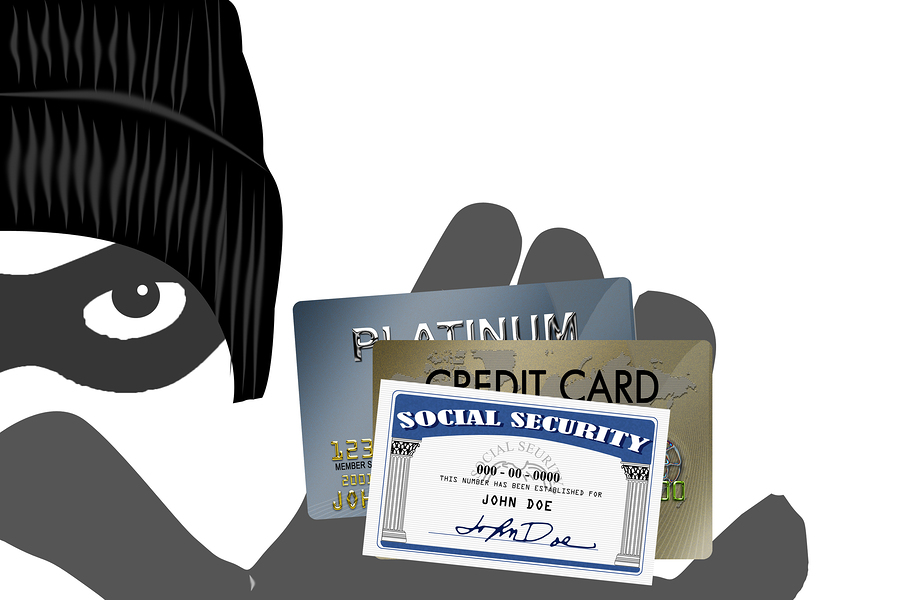
 Tax-related identity theft occurs when someone uses your stolen Social Security number to file a tax return claiming a fraudulent refund. It presents challenges to individuals, businesses, organizations and government agencies, including the IRS.

 The 2019 tax season is quickly approaching and with it an increase in identity theft and W-2 scams. Small business
 Compiled annually by the IRS, the “Dirty Dozen” is a list of common scams taxpayers may encounter. While many of these scams peak during the tax filing season, they may be encountered at any time during the year. Here is this year’s list: