


 Taxpayers should be aware of a new twist on an old scam involving erroneous tax refunds that are being deposited into their bank accounts. After stealing client data and filing fraudulent tax returns, these criminals use the taxpayers’ real bank accounts to deposit refunds, then use various tactics to reclaim the refund from the taxpayers. Here’s what you need to know.
Tag: identity theft
 Background: What is Equifax?
Equifax is one of three major U.S. credit reporting bureaus. The other two are TransUnion and Experian. There is also a smaller, less well-known credit-reporting agency called Innovis (aka CBCInnovis) that operates slightly different in that its main purpose is to provide mortgage credit reporting services to the financial services industry.
 Tax-related identity theft typically occurs when someone uses your stolen Social Security number to file a tax return claiming a fraudulent refund. Anyone can fall victim to identity theft. Here is an important reminder of how to protect yourself from identity theft, what to watch out for, and what do if your identity has been compromised:
Categories
IRS Dirty Dozen Tax Scams for 2017
 Compiled annually by the IRS, the “Dirty Dozen” is a list of common scams taxpayers may encounter in the coming months. While many of these scams peak during the tax filing season, they may be encountered at any time during the year. Here is this year’s list:
Categories
Identity Theft and your Taxes
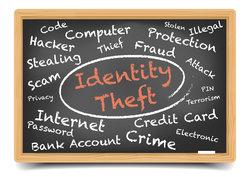
Tax-related identity theft occurs when someone uses your stolen Social Security number to file a tax return claiming a fraudulent refund. It presents challenges to individuals, businesses, organizations and government agencies, including the IRS.
Learning that you are a victim of identity theft can be a stressful event and you may not be aware that someone has stolen your identity. In many cases, the IRS may be the first to let you know you’re a victim of ID theft after you try to file your taxes.