 Although just 0.15 percent of taxpayers were audited in 2019, the fear of being audited is never far from many taxpayer’s minds, and with the taxes becoming more complicated every year, there’s an even greater possibility of confusion turning into a tax mistake… and an IRS audit. Avoiding “red flags” like the ones listed below, however, could help you avoid one.

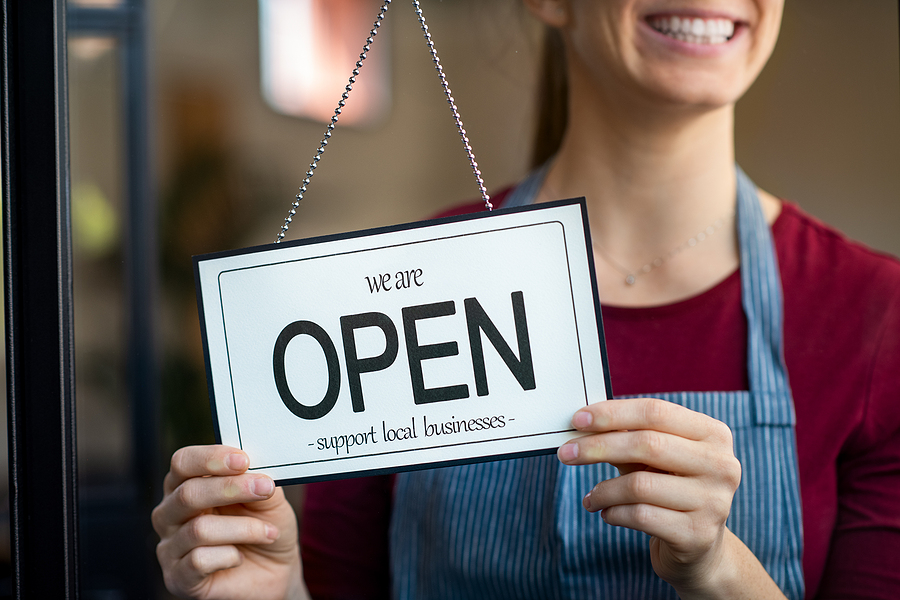
 Starting your own business can be an exciting prospect, but there is more to it than simply writing a business plan. Also, if you expect to have employees, there are a variety of federal and state forms and applications that will need to be completed to get your business up and running. That’s where a tax professional can help. With this in mind, let’s take a look at what you need to know before you start a new business.

 If you’ve ever used, or provided services for, Uber, Lyft, Airbnb, Etsy, Rover, or TaskRabbit, then you’re a member of the sharing economy and it could affect your taxes. The good news is that if you’ve only used these services (and not provided them), then there’s no need to worry about the tax implications.

 Social Security benefits include monthly retirement, survivor, and disability benefits; they do not include Supplemental Security Income (SSI) payments, which are not taxable.

 January 28, 2019, marked the start of this year’s tax filing season, and it’s the first time taxpayers will be filing under the new tax reform laws, most of which became effective in 2018. Complicating matters is a newly revised Form 1040, U.S. Individual Income Tax Return, as well as the partial shutdown of the federal government. With more than 150 million individual tax returns expected to be filed for the 2018 tax year, here’s what individual taxpayers can expect:
 Compiled annually by the IRS, the “Dirty Dozen” is a list of common scams taxpayers may encounter in the coming months. While many of these scams peak during the tax filing season, they may be encountered at any time during the year. Here is this year’s list: