



Tax documents can accumulate quickly. While clearing out old files can feel productive, it’s important not to discard anything until you’ve reviewed basic record-retention guidelines.
 Northfield, OH Accounting Firm | Lahrmer & Company LLC
Tax documents can accumulate quickly. While clearing out old files can feel productive, it’s important not to discard anything until you’ve reviewed basic record-retention guidelines.

Once a tax return is filed, most people breathe a little easier. But it’s not uncommon to realize too late that something was left off a return, figures were misreported or some other error was made. Accuracy is essential, but, depending on the type of error, an amendment may not be required.
Generally, you should amend only to correct reported items such as filing status, dependents, income, deductions or credits.
For example, you should file an amended return if:
Filing an amended return may also be beneficial if Congress passes retroactive tax law changes that affect your return.
You don’t need to amend your return for math errors. The IRS will correct them. Also, if you forgot to attach a W-2 or schedule, the IRS will request the missing documents directly.
If you get a CP2000 notice (noting underreported income based on discrepancies between what the IRS has on file and what you reported), you shouldn’t need to file an amended return to report that income, even if there are corrections to the adjustments proposed by the IRS.
In general, you can file an amended tax return (Form 1040x) and claim a refund within three years from the date you filed your original return or within two years of paying the tax, whichever is later. For example, if you filed your 2024 tax return on April 15, 2025, you’ll have until April 15, 2028, to file an amendment.
Some exceptions allow more time. For instance, if you’re claiming a bad debt, the statute of limitations is seven years from the tax return’s due date for the year the debt became worthless.
You also may have an extended deadline if you were affected by a federally declared disaster or are eligible for other exceptions.
File a separate form for each year you’re amending and include all relevant forms and schedules. You can amend a return more than once.
Amending your federal return may also require amending your state return(s). Other tax implications may apply. Contact the office at (216) 393-1954 or office@lahrmercpa.com for answers to your questions.

As a reminder, taxpayers have the right to pay only the amount of tax legally due, including interest and penalties. They also have the right to have the IRS apply all tax payments properly. This is one of 10 fundamental rights known collectively as the Taxpayer Bill of Rights.
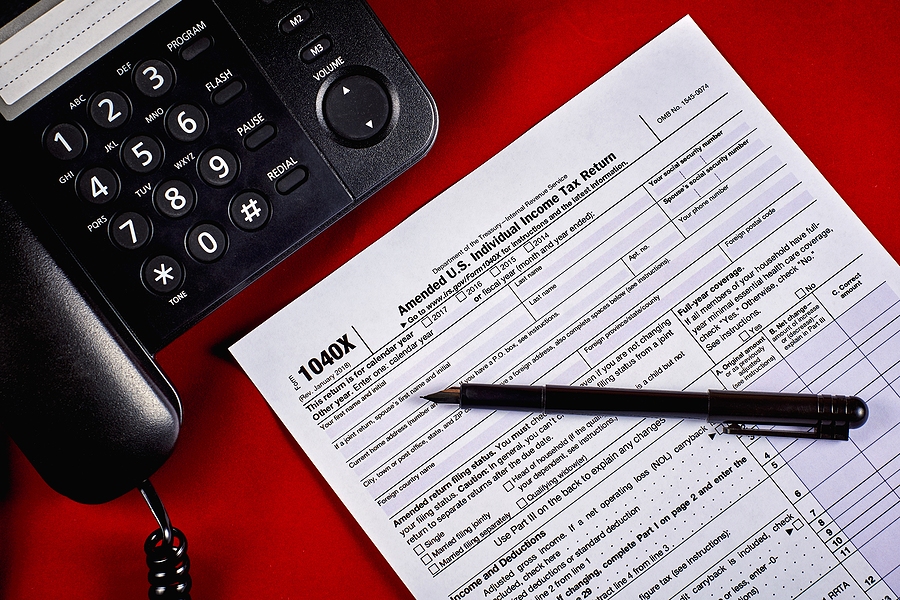
 If you discover a mistake on your tax return after you’ve already filed, don’t panic. In most cases, all you have to do is file an amended tax return. Here’s what you need to know:

 An IRS CP2000 notice is mailed to a taxpayer when income reported from third-party sources such as an employer, bank, or mortgage company does not match the income reported on the tax return.

 What should you do if you already filed your federal tax return and then discover a mistake? First of all, don’t worry. In most cases, all you have to do is file an amended tax return. But before you do that, here is what you should be aware of when filing an amended tax return.
 What should you do if you already filed your federal tax return and then discover a mistake? First of all, don’t worry. In most cases, all you have to do is file an amended tax return. But before you do that, here is what you should be aware of when filing an amended tax return.

What should you do if you already filed your federal tax return and then discover a mistake? First of all, don’t worry. In most cases, all you have to do is file an amended tax return. But before you do that, here is what you should be aware of when filing an amended tax return.