In any season, scam artists are seeking new ways to steal financial data and money from vulnerable people. Such fraudulent activities often target older adults. Here are three ways to help prevent elder financial abuse and fraud, whether you’re in this age bracket or you share them with senior loved ones:
- Exercise caution when making financial decisions. If someone exerts pressure or promises unreasonably high or guaranteed returns, walk away.
- Be alert for phony phone calls. The IRS doesn’t collect money this way. Another scam involves someone pretending to be a grandchild who’s in trouble and needs money. Don’t provide confidential information or send money until you can verify the caller’s identity.
- Beware of emails requesting personal data, even if they appear to be from a real financial institution. Remember, your banker or financial professional already has your personal information. Ignore contact information provided in emails. Instead, contact financial institutions through phone numbers you look up yourself.
Have Questions?
To stay up-to-date on the latest scams and avoid becoming a victim, visit FBI.gov. Contact the Lahrmer office at (216) 393-1954 or office@lahrmercpa.com with any questions.
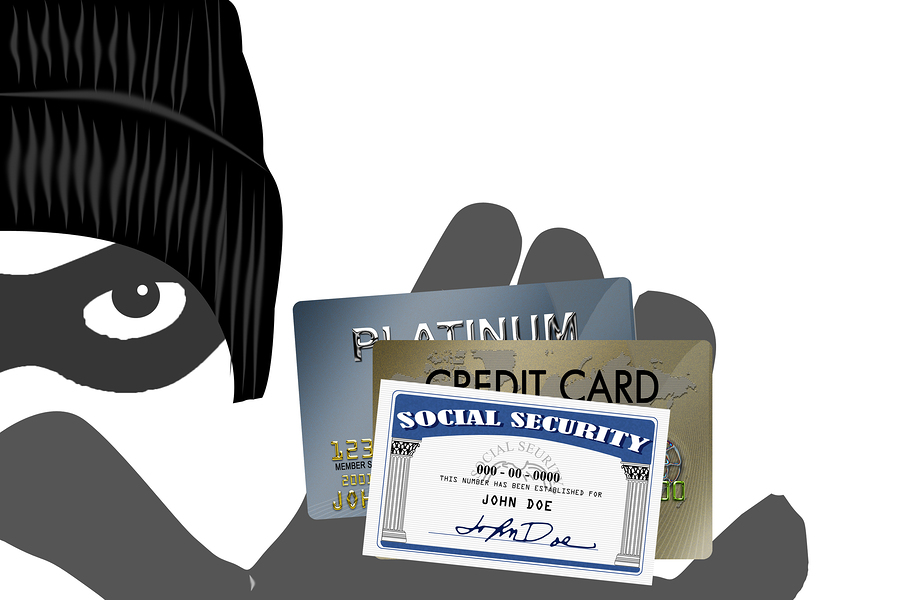
 Tax-related identity theft occurs when someone uses your stolen Social Security number to file a tax return claiming a fraudulent refund. It presents challenges to individuals, businesses, organizations and government agencies, including the IRS.
 As IRS e-Services begins its move later this month to Secure Access authentication and its two-factor protections, cybercriminals are likely to make last-ditch efforts to steal passwords and data prior to the transition.
 Taxpayers should be aware of the most recent scam linked to the Electronic Federal Tax Payment System (EFTPS), where fraudsters call to demand an immediate tax payment through a prepaid debit card.
 Compiled annually by the IRS, the “Dirty Dozen” is a list of common scams taxpayers may encounter in the coming months. While many of these scams peak during the tax filing season, they may be encountered at any time during the year. Here is this year’s list:
 As tax season approaches, taxpayers are reminded to be on the lookout for an array of evolving tax scams related to identity theft and refund fraud. Every year scam artists look for new ways to trick taxpayers out of their hard-earned money, sensitive financial information or even access to their computers. It seems that no matter how careful you are there’s always a possibility that identity thieves could steal your personal information and try to cash in by filing fraudulent tax returns in your name.