If you own or manage a business with employees, you could be personally responsible for paying a harsh tax penalty. It’s called the Trust Fund Recovery Penalty (TFRP). It applies to the mishandling of Social Security and income taxes that must be withheld from employees’ wages.
These taxes are government property employers collect and hold in “trust” for the government until payment. If the funds aren’t properly handled, the IRS can impose a TFRP equal to 100% of the unpaid taxes on each responsible party. Consequently, the penalty amounts can be significant.
A Penalty with a Long Reach
The TFRP is among the more dangerous tax penalties not only because it’s large but also because it applies to many actions and people involved in a business, and historically, the IRS has aggressively enforced it. Here are some questions and answers to help avoid incurring the penalty:
What actions are penalized? The TFRP applies to willful failures to collect or truthfully account for and pay over Social Security and income taxes required to be withheld from employees’ wages.
Who’s at risk? The IRS can impose the 100% penalty on anyone “responsible” for collecting and paying taxes. This includes corporate officers, directors, shareholders, partners and employees with such duties. Even voluntary board members of tax-exempt organizations may be liable under certain circumstances. Sometimes, responsibility has been extended to family members close to the business, attorneys and accountants.
How is responsibility determined? Responsibility depends on status, duty and authority. Anyone with the power to ensure taxes are paid can be held liable. Multiple people within a business can be deemed responsible, and each is at risk of a full penalty. If you know unpaid payroll taxes exist and have the authority to pay them but prioritize other payments instead, you could be deemed a responsible person.
While a taxpayer held liable may sue others for contribution, this must occur after paying the penalty in full. Such lawsuits are entirely separate from the IRS’s collection process.
Definition of “Willful”
Willful actions don’t require intent to evade taxes. The IRS defines “willfully” as knowingly prioritizing other expenses over withheld taxes. For example, bending to pressure to pay other bills instead of taxes is considered willful behavior.
Delegating actual tax responsibilities is no defense. Failing to deal with tax tasks can also be deemed willful.
“Borrowing” is Never an Option
Under pressure, it may be tempting to “borrow” from a tax withholding fund to pay an urgent expense. But don’t do it. The importance of paying all funds withheld from employee paychecks over to the government can’t be understated. Failure to pay can result in multiple people owing the hefty 100% TFRP, including people who didn’t realize they were considered responsible. Contact the Lahrmer office at (216) 393-1954 or office@lahrmercpa.com with any questions.

 Starting in January 2021, the IRS Identity Protection PIN Opt-In Program will be expanded to all taxpayers who can properly verify their identity. Previously, IP PINs were only available to identity theft victims.
 Taxpayers should be aware of a new round of fraudulent emails that impersonate the IRS and use tax transcripts as bait to entice users to open documents containing malware. The scam is especially problematic for businesses whose employees might open the emails infected with malware as it can spread throughout the network and may take months to remove.
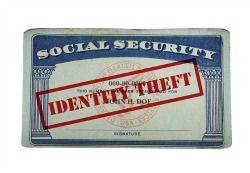 Small business identity theft is a big business for identity thieves. Just like individuals, businesses may have their identities stolen, and their sensitive information used to open credit card accounts or used to file fraudulent tax refunds for bogus refunds. As such, small business owners should be on guard against a growing wave of identity theft against employers.
 As tax season approaches, taxpayers are reminded to be on the lookout for an array of evolving tax scams related to identity theft and refund fraud. Every year scam artists look for new ways to trick taxpayers out of their hard-earned money, sensitive financial information or even access to their computers. It seems that no matter how careful you are there’s always a possibility that identity thieves could steal your personal information and try to cash in by filing fraudulent tax returns in your name.