



With the end of the year fast approaching, now is the time to take a closer look at tax planning strategies you can use to minimize your tax burden for 2020.
 Northfield, OH Accounting Firm | Lahrmer & Company LLC

With the end of the year fast approaching, now is the time to take a closer look at tax planning strategies you can use to minimize your tax burden for 2020.
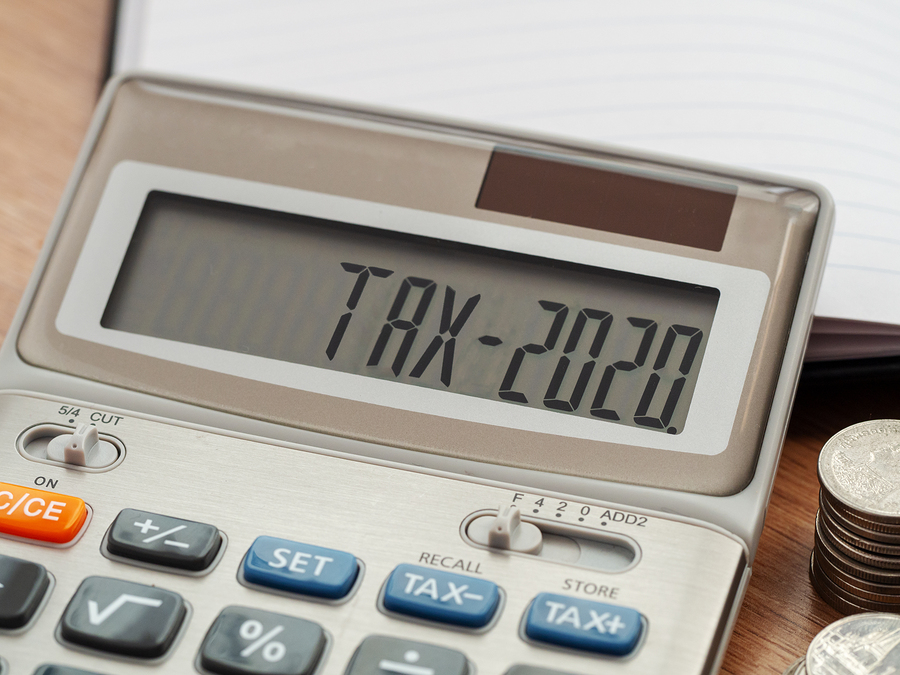
 While the 2020 tax filing season promises to be less confusing than 2019, there are still a number of changes that taxpayers should be aware of.

 Many people assume tax planning is the same as tax preparation but the two are actually quite different. Let’s take a closer look:

 Educators can take advantage of tax deductions for qualified out-of-pocket expenses related to their profession such as classroom supplies, training, and travel. As such, as the new school year begins, teachers, administrators, and aides should remember to keep track of education-related expenses that could help reduce the amount of tax owed next spring.

 As a reminder, individuals with “seriously delinquent tax debts” are subject to a new set of provisions courtesy of the Fixing America’s Surface Transportation (FAST) Act, signed into law in December 2015. These provisions went into effect in February 2018.

 The tax credit available for purchasers of new General Motors plug-in electric vehicles begins phasing out on April 1, 2019. The phaseout was triggered because General Motors, LLC has sold more than 200,000 vehicles eligible for the plug-in electric drive motor vehicle credit during the fourth quarter of 2018.

 If you are living or working outside the United States, you generally must file and pay your tax in the same way as people living in the U.S. This includes people with dual citizenship.

 Tax reform eliminated a number of deductions that many taxpayers counted on to reduce their taxable income. Here are four that could affect you.

 As the New Year rolls around, it’s always a sure bet that there will be changes to current tax law and 2019 is no different, now that the tax provisions under the Tax Cuts and Jobs Act of 2017 (TCJA) are in full effect. From standard deductions to health savings accounts and tax rate schedules, here’s a checklist of tax changes to help you plan the year ahead.
 If you have children, you may be able to reduce your tax bill using these tax credits and deductions.