


 The Taxpayer Certainty and Disaster Tax Relief Act of 2020, enacted December 27, 2020, made several changes to employee retention tax credits. These tax credits were previously made available under the Coronavirus Aid, Relief, and Economic Security Act (CARES Act). The most notable change was the modification of the Employee Retention Credit (ERC). Several of the changes apply only to 2021, while others apply to both 2020 and 2021. As such, employers can take advantage of the newly-extended employee retention credit, designed to make it easier for businesses that choose to keep their employees on the payroll–despite challenges posed by COVID-19.


 Social Security benefits include monthly retirement, survivor, and disability benefits; they do not include Supplemental Security Income (SSI) payments, which are not taxable.

 While taking money out of a retirement fund before age 59-1/2 is usually not recommended, in certain cases, it may be unavoidable, especially during times of economic crisis. If you need cash and have a retirement fund you can tap, here’s what you need to know.



 Social Security benefits include monthly retirement, survivor, and disability benefits; they do not include Supplemental Security Income (SSI) payments, which are not taxable.
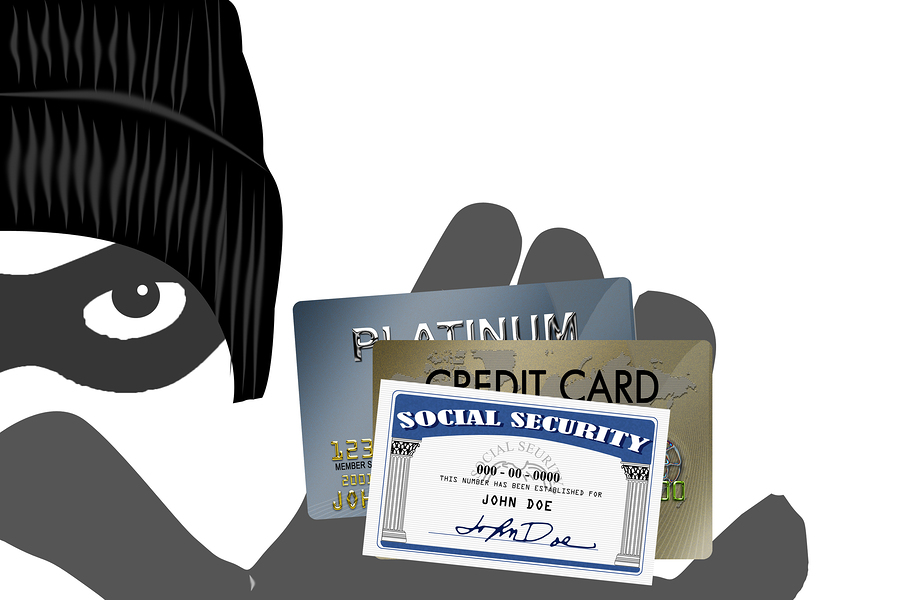
 Tax-related identity theft occurs when someone uses your stolen Social Security number to file a tax return claiming a fraudulent refund. It presents challenges to individuals, businesses, organizations and government agencies, including the IRS.

 Social Security benefits include monthly retirement, survivor, and disability benefits; they do not include Supplemental Security Income (SSI) payments, which are not taxable.

 Everyone wants to save money on their taxes, and older Americans are no exception. If you’re age 50 or older, here are six tax tips that could help you do just that.
 Tax-related identity theft typically occurs when someone uses your stolen Social Security number to file a tax return claiming a fraudulent refund. Anyone can fall victim to identity theft. Here is an important reminder of how to protect yourself from identity theft, what to watch out for, and what do if your identity has been compromised:
 Are you approaching retirement age and wondering where you can retire to make your retirement nest egg last longer? Retiring abroad may be the answer. But first, it’s important to look at the tax implications because not all retirement country destinations are created equal. Here’s what you need to know.